生地の背景:Filo di Scozia
ガイド
By: Eton • 3 minAppreciated for its longevity, unique lustre and impeccable comfort – discover the secret behind our Filo di Scozia shirts and t-shirts. The story of Filo di Scozia originates from British scientist John Mercer who during the early 19th century invented the process of mercerizing cotton fibers. A spinning mill in Paisley, Scotland, later adopted the technique and when later imported to Italy the Filo di Scozia yarn was born.
It’s a small niche and tradition that is still made within Italy with a very few companies, patented in Italy. There’s only two yarn supplier making Filo di Scozia. In the end of the day, what you see, is a luxurious long-lasting fabric. It will not fade in term of color or pill. A black t-shirt will always be black. It’s long lasting, exactly like our shirts.
Valerio Leone, Head of Fabrics at Eton

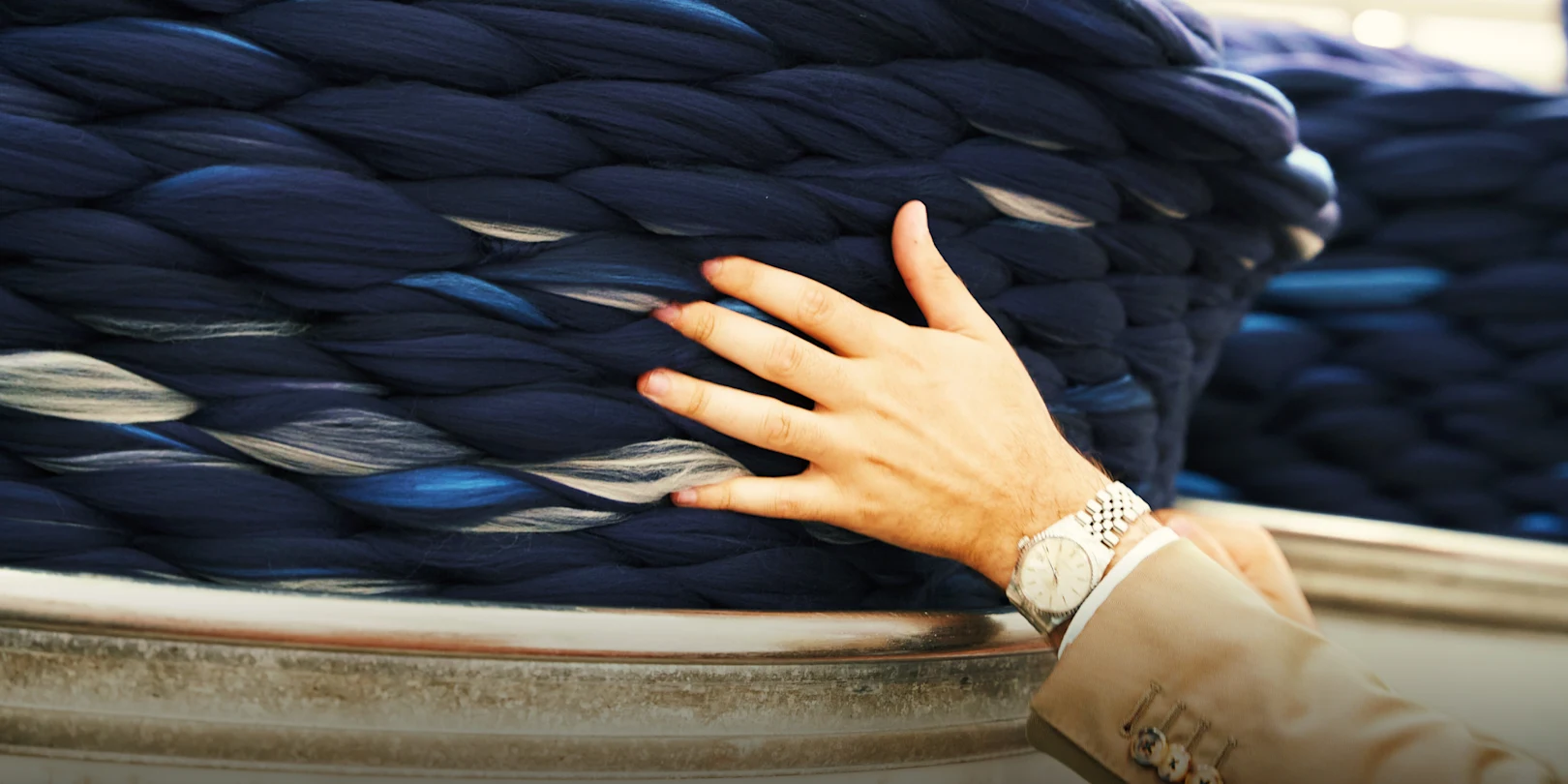
The craftsmanship of creating Filo di Scozia yarns includes many different steps. The yarns are made from 100% extra long staple Egyptian cotton, characterized by its smooth and uniform fibres, that throughout many different steps are enhanced further for an even smoother appearance and greater durability. As a first step the yarns are twisted for added strength and smoother appearance. During the gassed process the yarns goes throughout a flame to remove the hairiness of the fiber. The yarns are then bundled together for the mercerization process which gives the yarn its characteristic non-shrinkage performance, rich luster and improved color-absorption in the dyeing process.

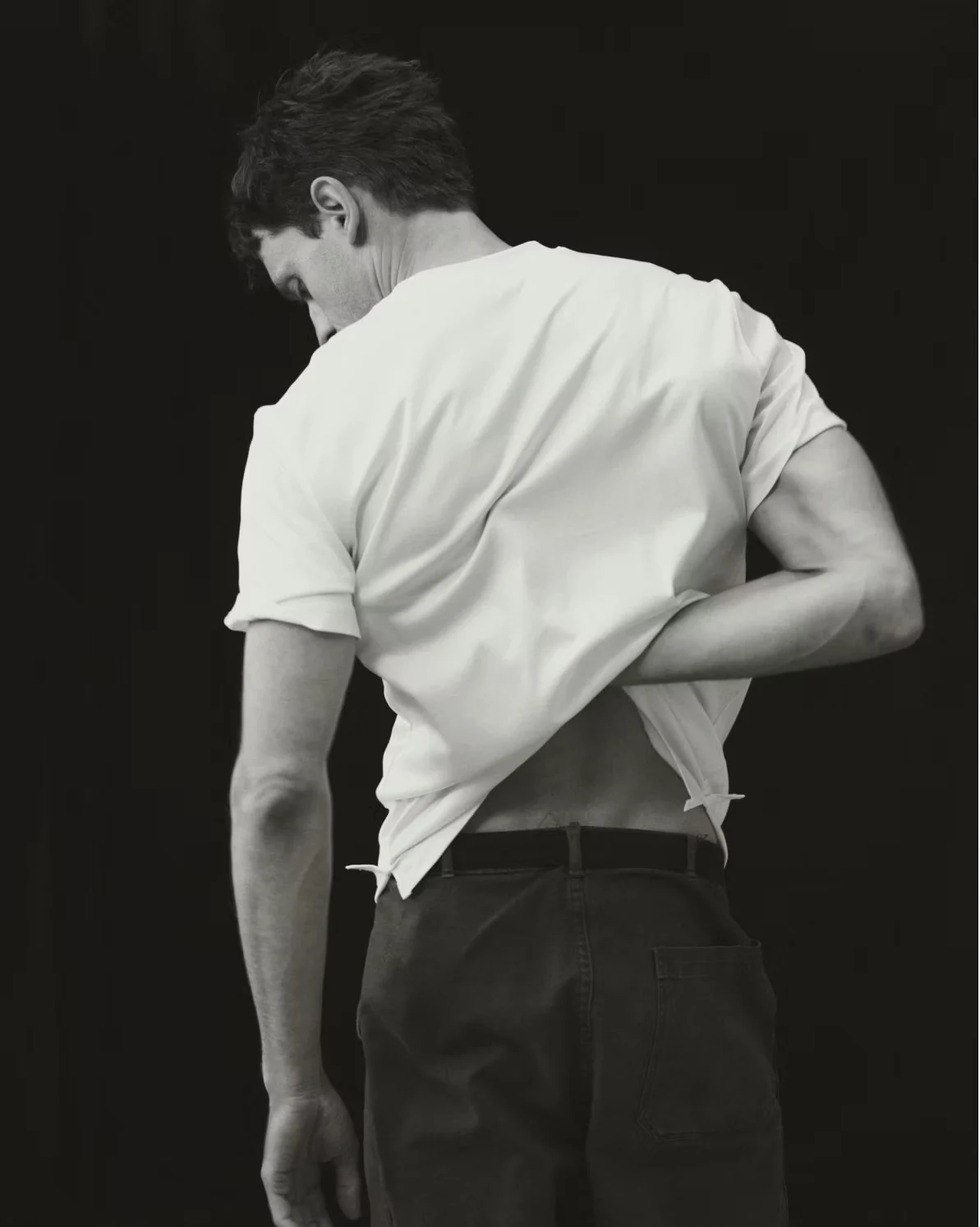
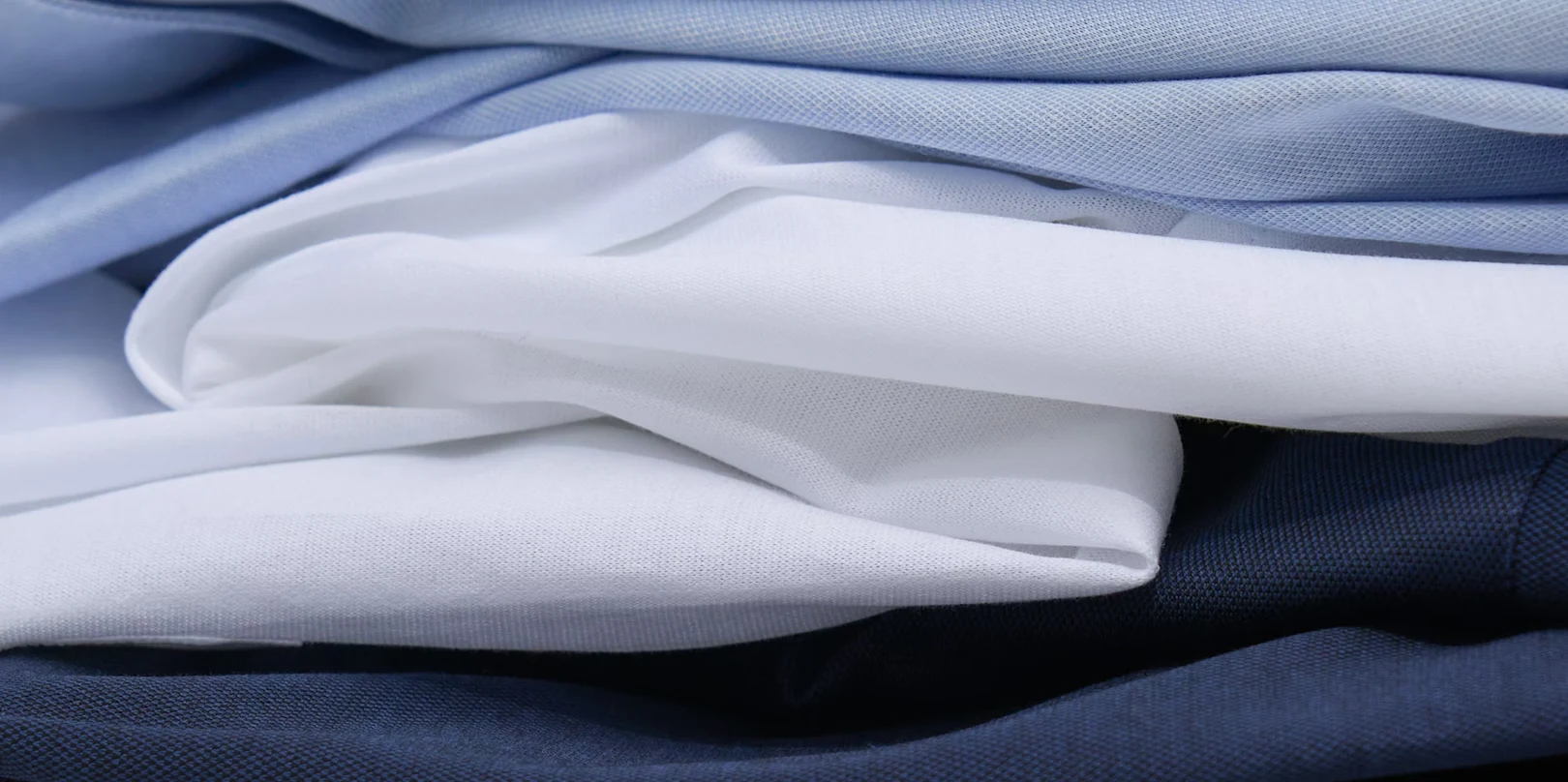
At Eton we use Filo di Scozia yarns for two different fabrics: our Eton exclusive Filo di Scozia Jacquard and Interlock Jersey. The Jacquard, the we use for shirts and polo shirts is knitted with two color of yarns and a special jacquard structure, creating very elegant and easy to wear colors as well as a rich texture. The Interlock is a double knitted quality, creating a luxurious cotton T-shirt with rich luster and texture.
“I love to work with high quality material in general and this is it. Period. It’s long lasting, exactly like our shirts.”
— Valerio Leone, Head of Fabrics at Eton